Artificial intelligence (AI) systems are increasingly being deployed as embodied agents in drones, robots, and uncrewed aircraft systems (UAS), extending their attack surface beyond software and into the physical world. These systems tightly integrate perception, learning, decision-making, and control, creating security risks that are not fully addressed by traditional cybersecurity or AI robustness techniques. This talk presents recent work on Embodied AI Security, focusing on two complementary efforts. The first, CHAI (IEEE SaTML 2026), studies command-hijacking attacks against embodied agents that use large language models and vision-language models for high-level reasoning. The second, BADControl (USENIX Security 2026), examines backdoor and manipulation attacks on low-level controllers, including Proportional-Integral-Derivative (PID) controllers and Linear Quadratic Regulators (LQRs). Together, these projects show how adversaries can exploit the interface between cognition and control to induce unsafe or mission-failing behaviors through small, targeted perturbations. The talk concludes by discussing open challenges and outlining a research agenda for principled defenses that span sensing, decision-making, and control in autonomous systems, with particular attention to defending against low-cost but sophisticated drone swarms.
Keynotes
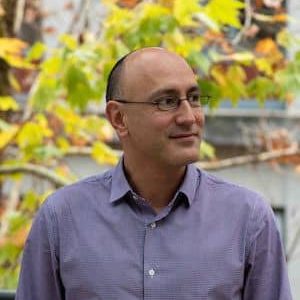
Alvaro Cardenas
Professor no Departamento de Ciência e Engenharia da Computação na Universidade da Califórnia em Santa Cruz
Securing Embodied AI Systems
Sobre o palestrante
Alvaro Cardenas é professor no Departamento de Ciência e Engenharia da Computação na Universidade da Califórnia em Santa Cruz (UC Santa Cruz). Antes de ingressar na UCSC, ele foi o Professor Associado “Eugene McDermott” de Ciência da Computação na Universidade do Texas em Dallas, pesquisador de pós-doutorado na Universidade da Califórnia em Berkeley e membro da equipe de pesquisa dos Laboratórios da Fujitsu. Ele possui mestrado e doutorado pela Universidade de Maryland, College Park, e bacharelado pela Universidad de Los Andes, na Colômbia. Sua pesquisa concentra-se na segurança de sistemas ciberfísicos, incluindo inteligência artificial incorporada, veículos autônomos e tecnologias de contra-drones com meios não cinéticos.

Michelle Mazurek
Professora no Departamento de Ciência da Computação e no Instituto de Estudos Avançados em Computação da Universidade de Maryland
Revisiting what it means to be Usable: Human-Centered Security Beyond End Users
The human-centered security community has made significant progress in making security and privacy tools, notifications, and warnings more legible and usable for end users. However, many critical security and privacy problems remain out of the hands of end users, or — even when simplified — require more knowledge, time, or effort to manage than is reasonable or fair to expect from most users. As such, the next important challenge in human-centered security is to go beyond end users and explore how to make security and privacy more usable for the professionals whose decisions directly or indirectly affect end users at larger scale. These professionals include not only software developers, vulnerability analysts, and security operations personnel, but also social scientists who publish research data, product reviewers, and even YouTube influencers. This talk will discuss several efforts toward improving security and privacy decision-making by these important intermediaries.
Sobre o palestrante
Michelle Mazurek é professora no Departamento de Ciência da Computação e no Instituto de Estudos Avançados em Computação da Universidade de Maryland, College Park, onde também dirige o Centro de Cibersegurança de Maryland. Sua pesquisa busca compreender e dar suporte aos elementos humanos na tomada de decisões sobre segurança e privacidade digital, contando com mais de 90 publicações revisadas por pares sobre esses temas. Projetos recentes incluem examinar como e por que desenvolvedores cometem erros de segurança e privacidade; analisar como informações sobre segurança e privacidade são distribuídas por meio de influenciadores do YouTube; e investigar como os usuários aprendem sobre conselhos de segurança e decidem se vão adotá-los. A Dra. Mazurek atuou como presidente de programa do IEEE Symposium on Security and Privacy (S&P), do Symposium on Usable Privacy and Security (SOUPS) e do Privacy Enhancing Technologies Symposium (PETS), além de presidente de trilha para a área de Usabilidade e Medição de Segurança na ACM Conference on Computer and Communications Security (CCS). Ela recebeu diversos prêmios, incluindo o NSF CAREER award, o DARPA Young Faculty Award, o prêmio de Melhor Artigo Científico em Cibersegurança da NSA e vários prêmios de artigo de destaque (distinguished paper awards). Ela obteve seu doutorado em Engenharia Elétrica e de Computação pela Carnegie Mellon University.
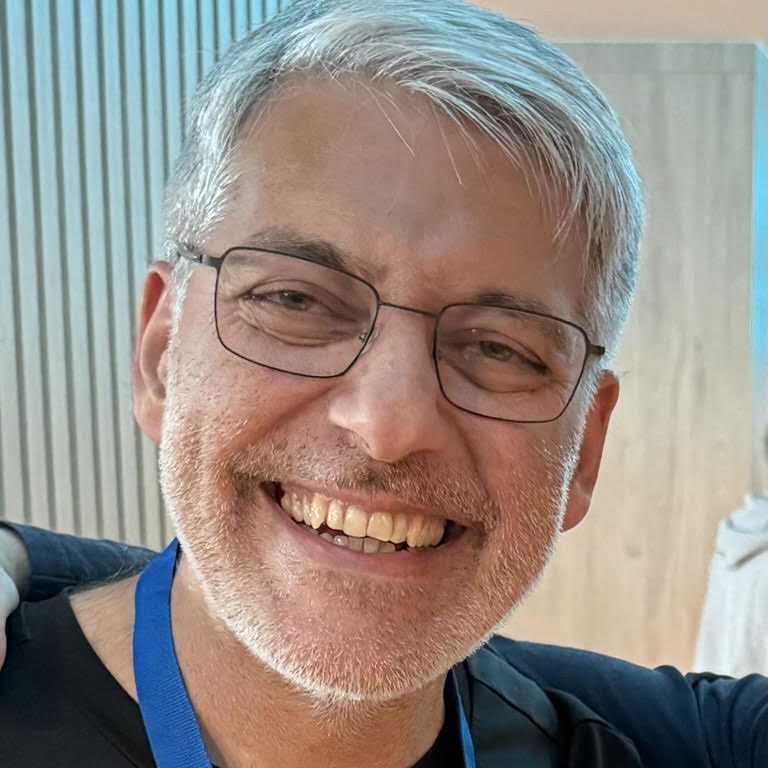
Michel Abdalla
Professor no Departamento de Ciência da Computação da École Normale Supérieure
Improving Bitcoin's Programmability via Witness Encryption
Bitcoin’s limited scripting language and the lack of covenant-enabling opcodes significantly restrict its programmability. In this talk, we present Bitcoin PIPEs v2, a cryptographic approach to improving Bitcoin’s programmability without requiring consensus changes. PIPEs v2 use witness encryption to encrypt a Bitcoin signing key under an NP statement, allowing it to be recovered only upon presenting a valid witness, such as a SNARK proof. The recovered key can then produce an ordinary Schnorr signature, making the resulting transaction indistinguishable from a standard Bitcoin spend. We then describe a concrete candidate instantiation based on Arithmetic Affine Determinant Programs (AADPs), a new witness encryption construction designed to natively support arithmetic constraints and efficient SNARK verification. Finally, we discuss ongoing work on the security of AADPs and the current state of their cryptanalysis.
Sobre o palestrante
Michel Abdalla recebeu seu doutorado em Ciência da Computação pela UCSD, além de seu mestrado em Engenharia Elétrica e bacharelado em Engenharia Eletrônica pela Universidade Federal do Rio de Janeiro. Desde 2005, Michel trabalha como pesquisador sênior no Centro Nacional de Pesquisa Científica da França, em Paris. Além disso, Michel também foi professor adjunto no Departamento de Ciência da Computação da École Normale Supérieure até setembro de 2021. De setembro de 2021 a setembro de 2025, atuou como cientista pesquisador na Fundação DFINITY e na Nexus. Ademais, ele também foi presidente da Associação Internacional para Pesquisa Criptológica (International Association for Cryptologic Research) no período de 2020 a 2025.
Palestra Internacional

Cindee Madison
Engenheira de Pesquisa Sênior na equipe de Pesquisa Aplicada em Privacidade, Segurança e Proteção (SafeWorks) do Google
Pathways to Practical FHE: Bridging Research, Hardware, and Production for Private AI
This talk will explore real-world, privacy-sensitive applications of Fully Homomorphic Encryption (FHE) for private AI inference, with a focus on Google’s recent work with the open-source HEIR compiler project. The talk will address a subset of the specific production use cases being investigated by the FHE @ Google group. While homomorphic encryption offers strong, purely cryptographic security guarantees, deploying it in production presents nontrivial obstacles such as latency, memory bandwidth, key management, and other systemic integration challenges. I will discuss how the HEIR compiler helps non-experts overcome these barriers by translating pre-trained AI models into encrypted equivalents. In addition, I will highlight how HEIR actively supports collaboration with both research groups and hardware startups to tackle security, memory, and latency challenges. In collaboration with these partners, the team developing HEIR is driving a path forward for establishing FHE as a practical, ubiquitous standard for private computing.
Sobre o palestrante
Cindee Madison é Engenheira de Pesquisa Sênior na equipe de Pesquisa Aplicada em Privacidade, Segurança e Proteção (SafeWorks) do Google, onde se especializa em aprendizado de máquina com preservação de privacidade, Criptografia Totalmente Homomórfica (FHE) para inferência privada de ML e privacidade em IA generativa. A trajetória de Cindee abrange a indústria e a academia. Ela possui bacharelado em Filosofia e Ética Biomédica pelo Macalester College e mestrado em Psicologia e Ciência da Computação pela Universidade de Minnesota. Antes de ingressar no Google, ela passou quase uma década na pesquisa em neurociência na UC Berkeley, com foco em imagem cerebral multimodal, onde também contribuiu para o desenvolvimento inicial do Scientific Python e fez parte do conselho da NumFOCUS.
Palestras de Patrocinador
Globo
Negócios mais seguros, empresas mais resilientes. Como a Globo integra segurança da informação e áreas de negócio na geração de valor
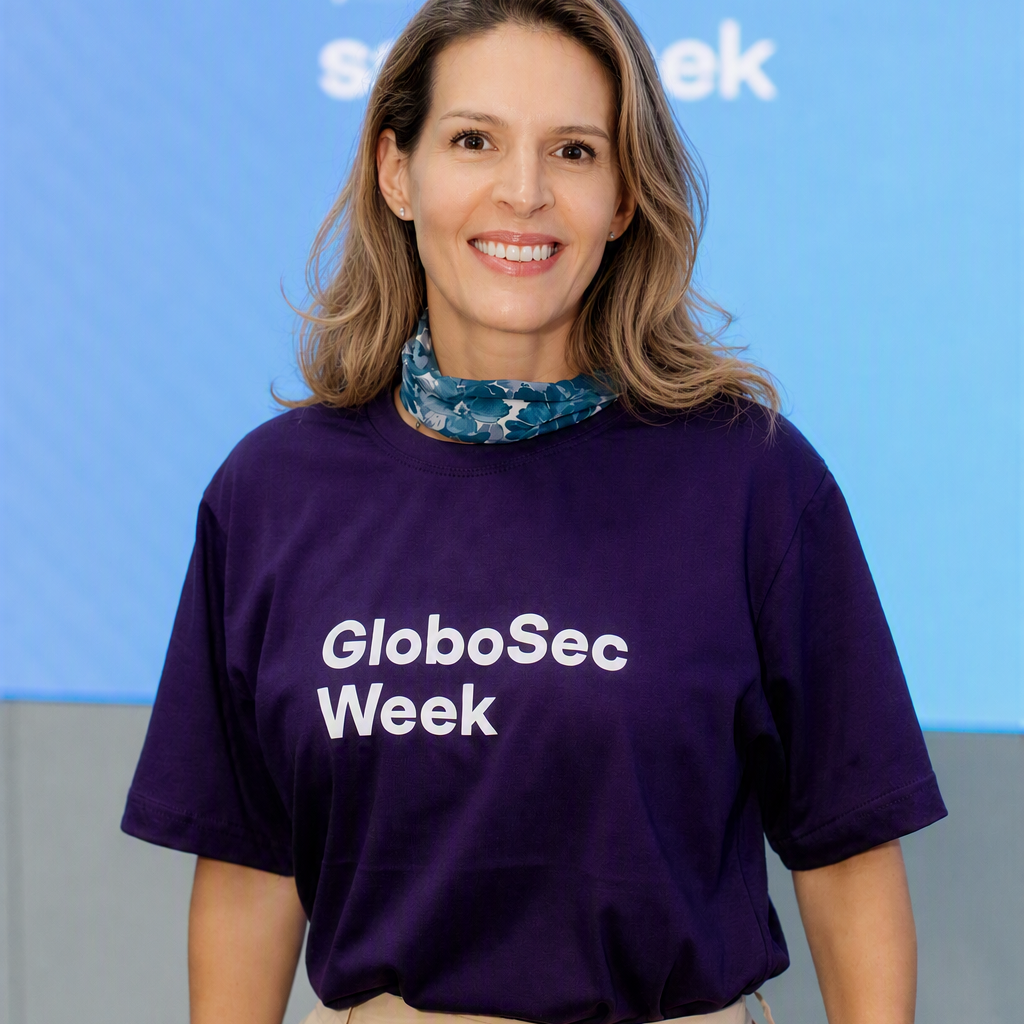
Marcia Frizzo
Especialista em Segurança da Informação na Globo
Marcia atua no desenvolvimento de parcerias estratégicas voltadas à promoção da cultura de segurança cibernética e ao letramento digital da população. Com mais de duas décadas de trajetória na empresa, tem experiência na concepção e gestão de projetos de impacto social, educação corporativa e conscientização em segurança. Acredita que a segurança digital é construída pela combinação de processos, tecnologia e, principalmente, pessoas, desenvolvendo iniciativas que conectam tecnologia, cidadania e uso responsável do ambiente digital, aproximando o tema da sociedade e contribuindo para a formação de uma cultura digital mais segura e resiliente.
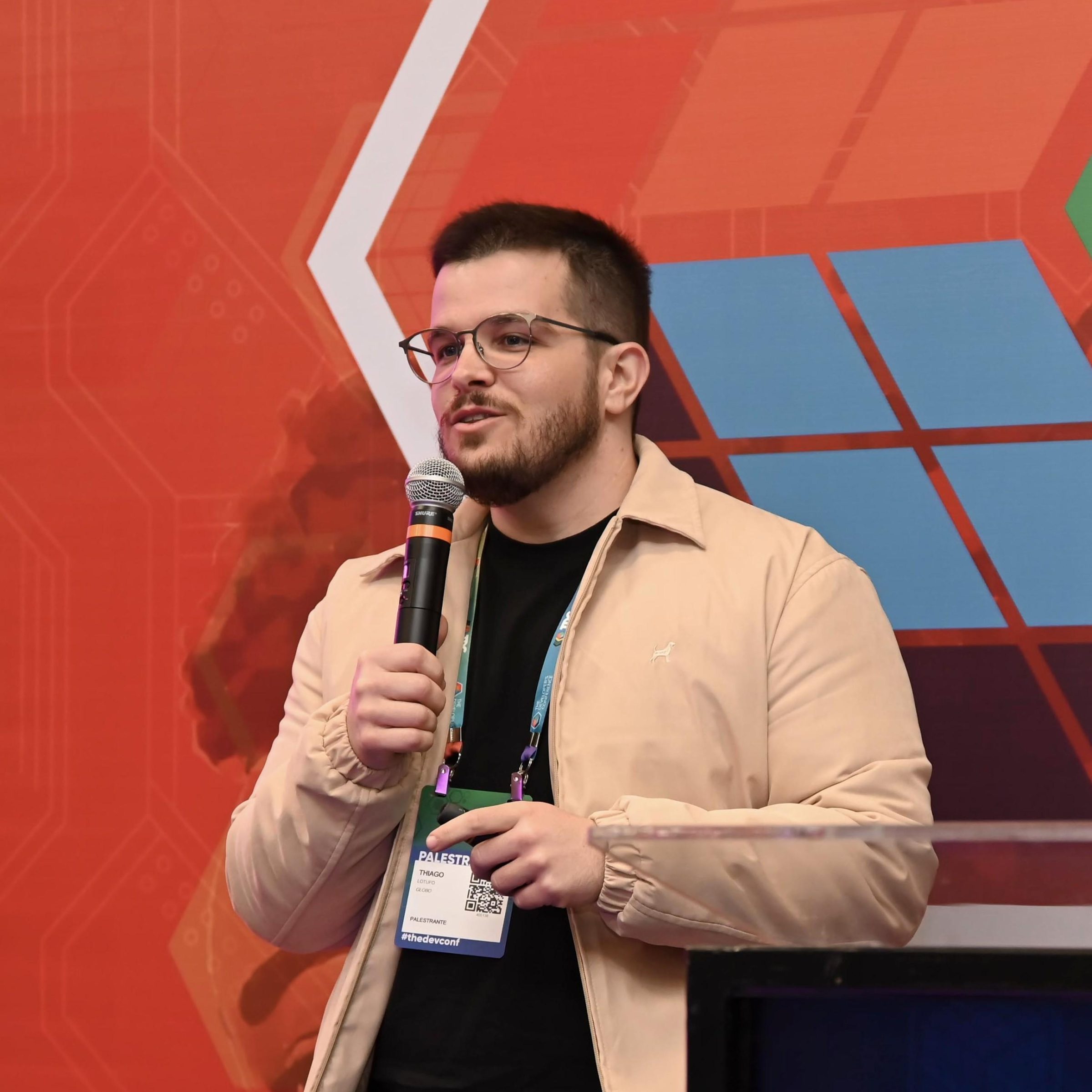
Thiago Lotufo
Especialista de Segurança da Informação na Globo
Thiago possui mais de 11 anos no setor de tecnologia, sendo os últimos 5 na área de segurança de aplicações, enxergando a segurança de aplicações como uma combinação de frameworks, ferramentas e, acima de tudo, pessoas. Esse ano, integrou o time da nova gerência de Segurança de Produtos com o objetivo de implementar a segurança ainda mais cedo (“à esquerda”) no ciclo de desenvolvimento, levando uma perspectiva de segurança para a área de produto antes mesmo de serem tomadas decisões sobre o que será construído.
Clavis
Fancy Bear em Ação: o lançamento da edição brasileira no SBSeg 2026
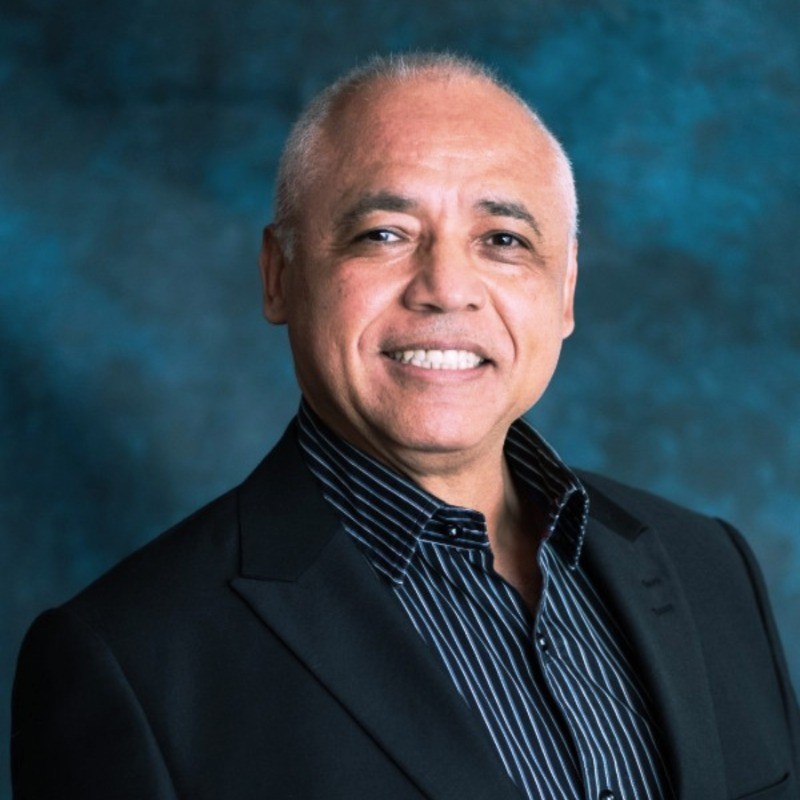
Antônio Carlos Pereira Borge
Capitão de Mar e Guerra Veterano da Marinha do Brasil
Capitão de Mar e Guerra veterano da Marinha do Brasil, com 39 anos de serviço. Coordenador executivo do Exercício Guardião Cibernético de 2022 a 2025, o maior exercício de proteção de infraestruturas críticas do hemisfério sul, e revisor das traduções dos livros O Quinto Domínio, Sandworm e Fancy Bear em Ação.
Check Point
Repensando a cibersegurança no mundo pós Mythos
Vinícius Costa
Executivo de Tecnologia da Informação
Vinicius Costa é um executivo de tecnologia com mais de 25 anos de experiência em cibersegurança, IA, blockchain, cloud e networking. Formado em Engenharia pela Universidade de São Paulo (USP) e em Blockchain pelo MIT, 2x Founder, palestrante, especialista em desenvolvimento de negócios e na construção de parcerias estratégicas do zero em empresas nacionais e multinacionais. Atualmente atuando de perto em projetos de segurança de IA de grandes corporações